
Buy Ozempic Online: Best Prices and Fast Shipping
Buy Ozempic Online: Best Prices and Fast Shipping
Buy Ozempic Online: Best Prices and Fast Shipping
Navigating Ozempic Dosage and Administration
Taking Ozempic isn’t like popping a daily aspirin when a headache strikes. It is a marathon, not a sprint, requiring a steady hand and a patient heart. Most patients begin on a low dose to let their bodies get used to the sensation of the medication. This “start low and go slow” approach is the golden rule of the regimen.
You will likely begin with 0.25 mg once a week. Think of this initial phase as a trial run for your digestive system. It isn’t actually meant for weight loss or blood sugar control yet. Instead, it’s a way to prime the pump and ensure your stomach doesn’t stage a sudden protest against the new chemical visitor.
After four weeks, if your doctor gives the green light, you might bump up to 0.5 mg. This is where the real work begins. Some people feel like they are sailing on smooth waters, while others might feel a bit like they’ve eaten a heavy meal that just won’t budge. Listen to your body closely during this transition.
If you find yourself hitting a plateau or if your glucose levels are still acting like a roller coaster, your physician might suggest moving to 1.0 mg. Eventually, the maximum maintenance dose reaches 2.0 mg. It’s a ladder, and you shouldn’t try to skip any rungs if you want to avoid a nasty bout of nausea.
The Weekly Routine
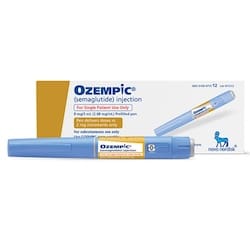
Consistency is the name of the game when it comes to subcutaneous injections. You’ll use a pre-filled, single-use pen that looks more like a high-tech gadget than a traditional syringe. It’s designed to be easy, but you still need to be meticulous about where you aim that needle.
You can inject into your abdomen, thigh, or the top of your buttock. I remember a patient who swore by the thigh method because it felt less “intrusive” during her busy workday. The key is to rotate your sites every week. If you keep hitting the same spot, you might end up with some lumps or bumps.
The timing is quite flexible. You can take it at the same time each week or let it wander a bit, as long as the gap is roughly 168 hours. Some people prefer Sunday nights so they can sleep through any initial waves of nausea that might pop up as the drug takes hold.
Keep your pens in the refrigerator if you aren’t using them immediately. While one pen can sit at room temperature for up to 56 days, keeping things chilled is like playing it safe. It’s better to be over-prepared than to find a spoiled pen when you’re in a pinch.
- Always check the liquid for clarity; it should be clear and colorless.
- Never share your pen with a friend, even if it seems like a good idea.
- Store pens between 36°F and 46°F if not in immediate use.
- Dispose of used pens in a sharps container to stay safe.
Managing Costs and Supplies
Let’s talk about the elephant in the room: the price tag. Ozempic is not exactly “pocket change” territory. Depending on your insurance coverage, the out-of-pocket cost can vary wildly. It’s a significant investment in your long-term health, so you have to be smart about how you navigate the pharmacy counter.
Many people find that their insurance company plays hardball, requiring “prior authorization” before they’ll cough up the cash. This can feel like a bureaucratic nightmare. If you find yourself staring at a $900 bill, don’t lose hope. There are often manufacturer coupons or patient assistance programs that can help bridge the gap.
It’s vital to keep track of your monthly expenses. If you are paying full price, you might want to look into generic alternatives or different brands if your doctor agrees. Being proactive about the math is just as important as being proactive about your diet and exercise routine.
The following table provides a general idea of how costs might look, though your actual bill may vary based on your specific plan and location.
| Item/Service | Estimated Cost (USD) |
| Typical Monthly Co-pay | $25 – $250 |
| Full Retail Price (No Insurance) | $900 – $1,200 |
| Replacement Pen (Lost/Damaged) | $850+ |
Current Ozempic Market Pricing in USD
Navigating the pharmacy counter can feel like walking through a financial minefield. You might walk in expecting a minor transaction, only to be met with a price tag that makes your eyes water. It is a common headache for many patients trying to maintain their metabolic health without breaking the bank.
The reality is that pricing is a moving target. It shifts based on your zip code, the specific pharmacy chain you visit, and the nuances of your insurance provider’s formulary. What works for your neighbor might be a completely different story for you, so don’t take any single quote as gospel.
Insurance companies are notoriously fickle when it comes to GLP-1 medications. They often treat these drugs like luxury items rather than essential medical necessities. This means you might find yourself stuck in a loop of appeals and denials while trying to secure coverage for your life-changing regimen.
I once spoke with a man who spent three months battling his provider for coverage. He felt like he was running a marathon just to get his prescription filled. It is exhausting, but understanding the landscape of costs is the first step toward managing your long-term wellness journey.
Understanding the Variables
Several factors dictate whether you are paying a pittance or a premium. Your deductible is the biggest hurdle; if you haven’t met it for the year, you are essentially paying the full retail price. It’s a bitter pill to swallow when you are already dealing with health issues.
The type of pharmacy you use also makes a massive difference. Mail-order pharmacies often offer lower rates because they operate on a different scale, but they require patience. If you need your medication immediately, the local corner drugstore might charge a significant markup for that convenience.
Don’t overlook the power of the manufacturer’s savings card. For many, this piece of paper is the only thing standing between them and financial ruin. It can slash your out-of-pocket costs significantly, provided your insurance company allows for such a discount to be applied to your co-pay.
Always ask about the “cash price” before you hand over your insurance card. Sometimes, the negotiated rate with your insurer is actually higher than the direct retail price. It sounds counterintuitive, but it happens more often than you would think in the modern healthcare market.
The table below outlines some common cost structures you might encounter during your treatment.
| Cost Category | Estimated Price Range |
|---|---|
| Monthly Co-pay with Insurance | $25 – $500 |
| Retail Price (No Insurance) | $900 – $1,300 |
| Manufacturer Savings Card Benefit | Up to -$650 |
| Single Pen (Non-Insured) | $850 – $1,100 |
Budgeting for the Long Haul
When you start this journey, it is easy to focus only on the immediate cost. However, you need to think about the next year, or even five years. This isn’t a quick fix like a bottle of vitamins; it is a long-term commitment that requires a sustained budget.
Some people choose to buy their supplies in bulk if their insurance allows, which can smooth out the monthly spikes. Others find that they have to adjust their lifestyle spending elsewhere to accommodate the medication. It is a delicate balancing act that requires discipline and careful planning.
Keep a folder of all your receipts and explanation of benefits. If a claim is denied, you will want a paper trail to fight back. It can be a grind, but being your own advocate is often the only way to ensure you get the care you need.
Always consult with a financial counselor or your healthcare provider if the costs become overwhelming. There are programs available, though they are often tucked away behind layers of paperwork. Don’t let the fear of the cost stop you from having a serious conversation about your options.
Where to Buy Ozempic Safely Online
Navigating the digital pharmacy landscape feels like walking through a minefield. You might think you’ve found a goldmine with a website offering deep discounts, but you could be walking straight into a trap. It is vital to remember that a “too good to be true” price is usually a massive red flag in the medical world.
I have seen patients lose hundreds of dollars on websites that look professional but ship nothing but sugar pills. It is a heartbreaking sight. When you are trying to manage your health, you cannot afford to play Russian roulette with your prescription. Safety must always take precedence over a bargain.
The internet is flooded with rogue vendors who capitalize on the high demand for GLP-1 medications. These entities often operate from overseas, making it nearly impossible to seek recourse if the product arrives damaged or, worse, counterfeit. Always check for a physical address and a legitimate US-based phone number before clicking “buy.”
If a site does not require a valid prescription from a licensed healthcare provider, run the other way. There is no such thing as a “no-prescription-needed” discount for Ozempic. Any vendor claiming otherwise is likely peddling illegal or dangerous substances that have never undergone rigorous quality control testing.
Verifying Online Pharmacy Credentials
The first step in your safety checklist is looking for the VIPPS seal or similar accreditation. This signifies that the pharmacy has met strict standards for quality and safety. Think of it as a digital badge of honor that separates the professionals from the scammers lurking in the shadows of the web.
You should also verify that the pharmacy is licensed in your specific state. You can easily check this through your state’s Board of Pharmacy website. If a company refuses to provide their license number, they are likely hiding something. A legitimate business will be more than happy to prove their legitimacy.
Another way to sniff out trouble is to look for real patient reviews on independent platforms. Don’t just trust the testimonials plastered on the company’s own homepage; those are often curated to show only the sunshine. Look for voices on forums or third-party review sites that discuss shipping times and product authenticity.
I once heard a story about a woman who ordered from a site that looked incredibly polished. It had high-res photos and a sleek design. However, her shipment arrived in a box that looked like it had been through a war zone, and the liquid inside was cloudy. Always prioritize pharmacies with established reputations.
Legitimate Digital Options
If you want to skip the headache, sticking to well-known, national retail pharmacies that offer mail-order services is your safest bet. Companies like CVS, Walgreens, or specialized mail-order providers through your insurance are the gold standard. They might not always be the cheapest, but they are undeniably real.
There are also modern, telehealth-based platforms that are gaining traction. These services often connect you with a doctor via video call, who then sends a prescription to a reputable pharmacy. This model provides a middle ground between the traditional doctor’s visit and the convenience of online shopping, ensuring medical oversight.
Always ensure that any online provider you use is part of a recognized network. If you are using a telehealth service, check if their prescriptions are accepted by your local pharmacy. This prevents a situation where you pay for a consultation only to find out your medication is stuck in a digital limbo.
To help you decide, I have put together a quick comparison of the different types of online vendors you might encounter during your search.
| Vendor Type | Safety Level | Price Range | Risk Factor |
|---|---|---|---|
| National Retail Mail-Order | Extremely High | $900 – $1,300+ | Minimal |
| Telehealth + Reputable Pharmacy | High | $700 – $1,200 | Low |
| Unverified “Discount” Websites | Very Low | $300 – $600 | Extremely High |
Shipping Logistics and Cold Chain Requirements
Think of Ozempic like a delicate bouquet of lilies; it needs the perfect environment to stay fresh. This medication is highly sensitive to temperature fluctuations. If the insulin-like proteins inside the vial get too warm, they can degrade, rendering your expensive treatment nothing more than expensive, useless water.
The concept of the “cold chain” is the backbone of pharmaceutical logistics. It refers to a continuous, temperature-controlled supply chain from the manufacturer’s factory all the way to your doorstep. Without this unbroken sequence of refrigeration, the biological integrity of the medication is effectively compromised before you even open the box.
Maintaining this thermal stability is no small feat. It requires specialized equipment, such as insulated shipping containers and advanced phase-change materials. If a delivery driver leaves a package on a scorching porch in the middle of July, the contents could be ruined within a matter of hours.
I remember a patient who was incredibly excited about her new prescription. She waited all day for the delivery, but her afternoon became a frantic race against the sun. She had to move the package from the porch to the fridge immediately to save her $900 investment. Timing is everything in this game.
Temperature Thresholds and Storage Standards
The golden rule for Ozempic is to keep it between 36°F and 46°F when stored in the refrigerator. You should never let it freeze, either. If the liquid inside the pen looks cloudy or has particles floating in it, it has likely lost its potency due to improper handling.
When you receive your shipment, you must act with urgency. Check the temperature indicators if the pharmacy provided them. Many high-end shipping services use electronic data loggers that record any excursions outside the safe zone. If the log shows a spike, do not hesitate to contact the provider.
Storing the medication in a kitchen refrigerator is generally fine, but avoid the very back of the shelf. The rear of a fridge can sometimes drop below freezing, which is just as bad as extreme heat. A dedicated pill organizer or a small travel cooler can keep things stable.
If you are traveling, you cannot simply toss a pen into your carry-on bag and hope for the best. You will need a high-quality, medical-grade travel case. These cases are designed to maintain a steady temperature for many hours, acting as a little fortress for your medicine.
- Ideal Temperature: 36°F to 46°F (2°C to 8°C).
- Avoid Freezing: Never place the pen in the freezer or near ice.
- Light Sensitivity: Keep the pen in its original carton to block light.
- Room Temperature: Can stay at room temperature up to 9 days if needed.
Shipping Methods and Delivery Risks
Standard postal services are often insufficient for biological medications. Most legitimate pharmacies utilize specialized medical couriers who understand the nuances of handling temperature-sensitive cargo. This adds a layer of complexity and cost to the shipping process, which is reflected in the final price.
You might see options for overnight shipping versus ground shipping. For a medication like this, overnight is the gold standard. The less time the package spends in a transit hub, the lower the risk of a temperature excursion. It is a small price to pay for peace of mind.
Be wary of any vendor that offers “standard ground shipping” for a heavy, refrigerated item. This is a massive red flag. If they aren’t investing in the proper cooling technology, they aren’t investing in your health. A cheap shipping method can lead to a very expensive mistake.
Always track your package like a hawk. Most reputable companies provide real-time tracking updates. If you see a delay in the logistics chain, call your pharmacy immediately. It is better to catch a potential issue while the package is still in transit than after it arrives damaged.
| Shipping Method | Risk Level | Typical Cost | Recommended? |
| Next-Day Medical Courier | Very Low | $40 – $75 | Yes |
| Insulated Ground Shipping | Moderate | $20 – $40 | Only if weather is mild |
| Standard USPS/UPS Ground | High | $10 – $25 | No |